



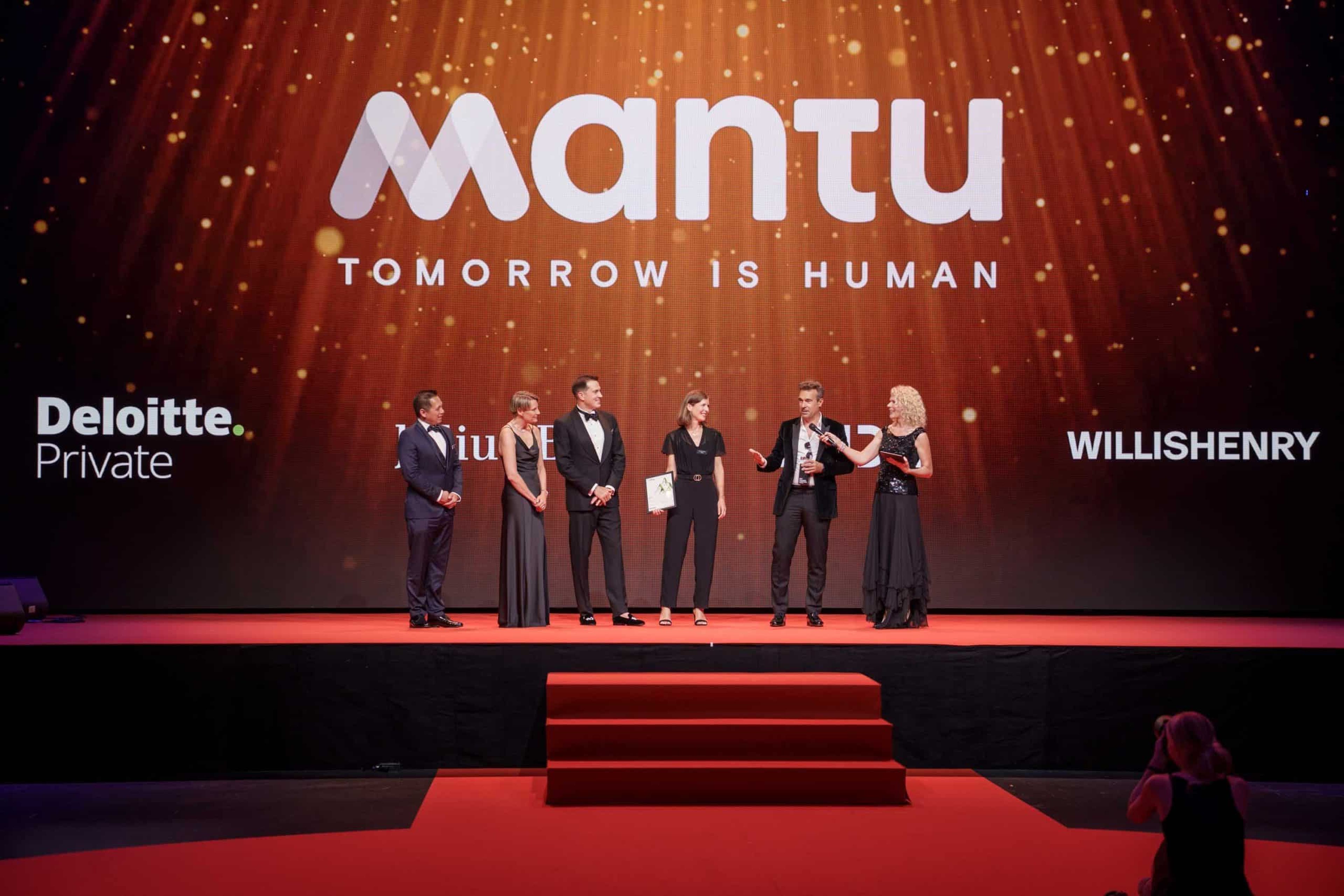


Constance Nevoret joined Mantu almost at the start of her career.
She first worked in the UK, then moved to Canada, where she helped develop Mantu's activities in Montreal and Toronto. In 2020, she became CEO of LittleBig Connection, part of Mantu. Over five years, the business grew from around €40M to €400M in revenue. Today, Constance is co-CEO of Mantu, an international consulting and technology company with 12,000 people across more than 60 countries.
Companies can no longer wait for AI skills to appear on the market
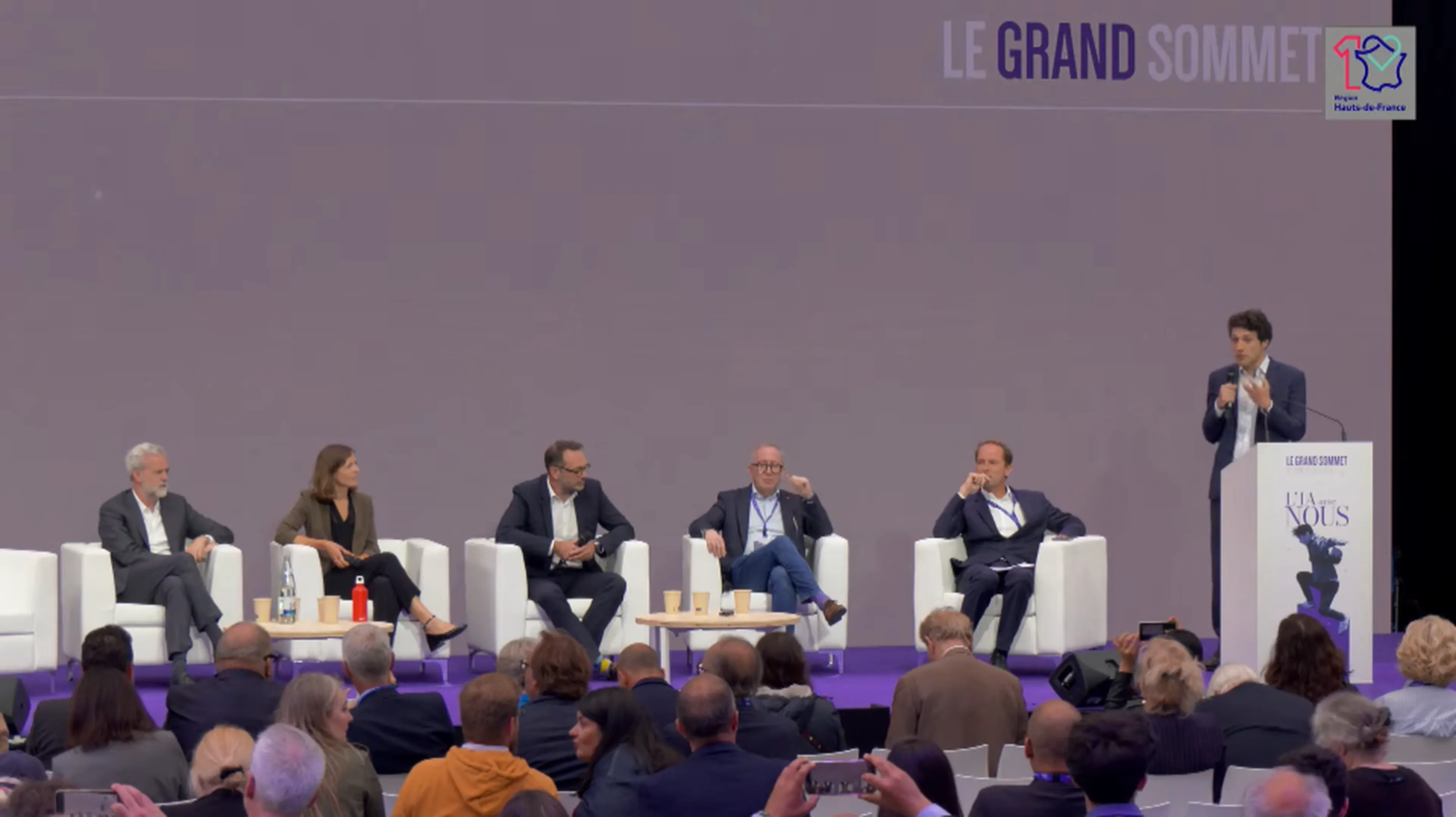
The discussion brought together different perspectives on the future of work. Yet one point quickly emerged as a shared concern: skills development has become one of the defining challenges of AI adoption.
Artificial intelligence is evolving faster than education systems, faster than professional frameworks and often faster than public policy. As a result, Companies are on the front line of workforce transformation, whether they chose to be or not.

"As leaders, we can't afford to wait for the market to provide the skills we'll need tomorrow. We have to start building them today."
For organizations deploying AI, the challenge is no longer limited to technology. It is increasingly about people, learning and execution.
The investment gap
The numbers illustrate the scale of this new challenge. 77% of organizations identify upskilling and reskilling as their top priority for integrating AI. Yet only 7% of HR leaders are currently working on reskilling strategies for the roles most affected by automation.
According to the World Economic Forum, 60% of the global workforce will need to develop new skills by 2030. The priority is widely recognized but action is not always keeping pace.
This creates a situation many organizations already face today. Some roles experience overcapacity as automation expands. Others face growing shortages of AI-related skills.
"The risk today is not that some organizations adopt AI faster than others. The risk is that some people move forward rapidly while others are left behind."
Learning happens on the ground, not in theory
Mantu approaches AI adoption as an operational challenge before treating it as a technology project, an approach called "Customer 0". Before deploying solutions with clients, Mantu tests them internally, identifies adoption barriers, measures outcomes and adjusts.
In recent months, teams have automated thousands of tests on an internal platform in a few weeks, while testing new applications for knowledge management, decision support and business operations.
Rather than selling theoretical promises, we believe organizations must experience transformation themselves before helping others navigate it.
Training for AI cannot remain a side initiative
Alongside these initiatives, Mantu rolled out a mandatory company-wide AI learning program designed to help its 12,000 team members develop the capabilities needed to work alongside AI.
The goal is not to turn everyone into an engineer. It is to give people the foundations to understand how AI changes their job, spot relevant use cases and build new capabilities over time.
"Investing in AI without investing in skills is one of the most costly strategic mistakes an organization can make today."
The organizations that move fastest on skills development gain an advantage, not because they have better tools, but because they redeploy talent faster and turn new technology into business outcomes.